

The 5-panel drug test is the most widely used drug screening tool in the United States — favored by employers, healthcare facilities, and institutions for its accuracy, speed, and cost-effectiveness. This guide covers everything administrators and healthcare providers need to know about 5- and 10-panel drug tests, including how they work, what they detect, accuracy considerations, and best practices for program implementation.
What Are 5-Panel Drug Tests?
A 5-panel drug test screens for the five most commonly abused illicit drugs in the United States. It can be administered using urine or saliva and produces results typically within five minutes. It is the standard test for most pre-employment and workplace random screening programs.

What Are 10-Panel Drug Tests?
A 10-panel drug test screens for the same five illicit drugs as the 5-panel, plus the five most commonly misused prescription drugs. Unlike 5-panel tests, standard 10-panel tests do not detect alcohol. They are typically administered via urine sample, though sweat, hair, blood, and saliva can also be used.
How Do Rapid Drug Tests Work?
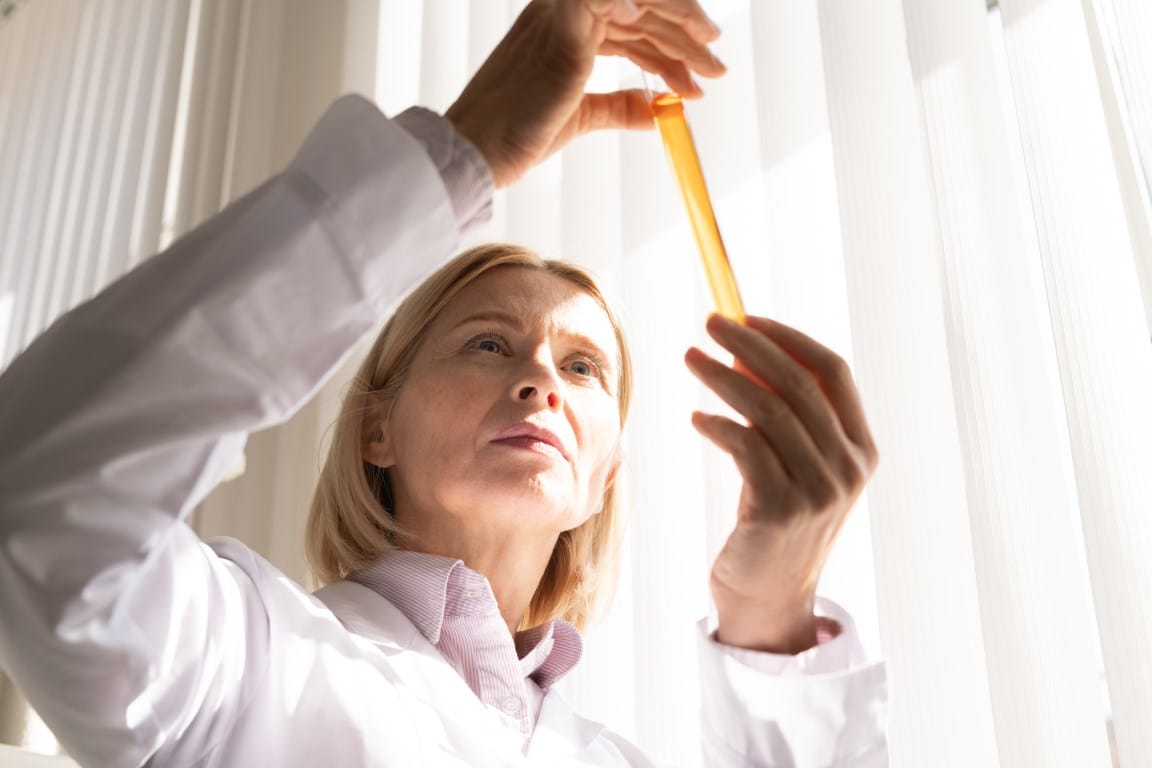
Panel drug tests detect trace amounts of drugs or their metabolites in biological samples — most commonly urine, saliva, or blood. Basic procedure for urine-based rapid tests:
- Urine is collected in a sample cup containing reagent chemicals.
- The test medium is applied per manufacturer instructions; chemicals react with urine constituents.
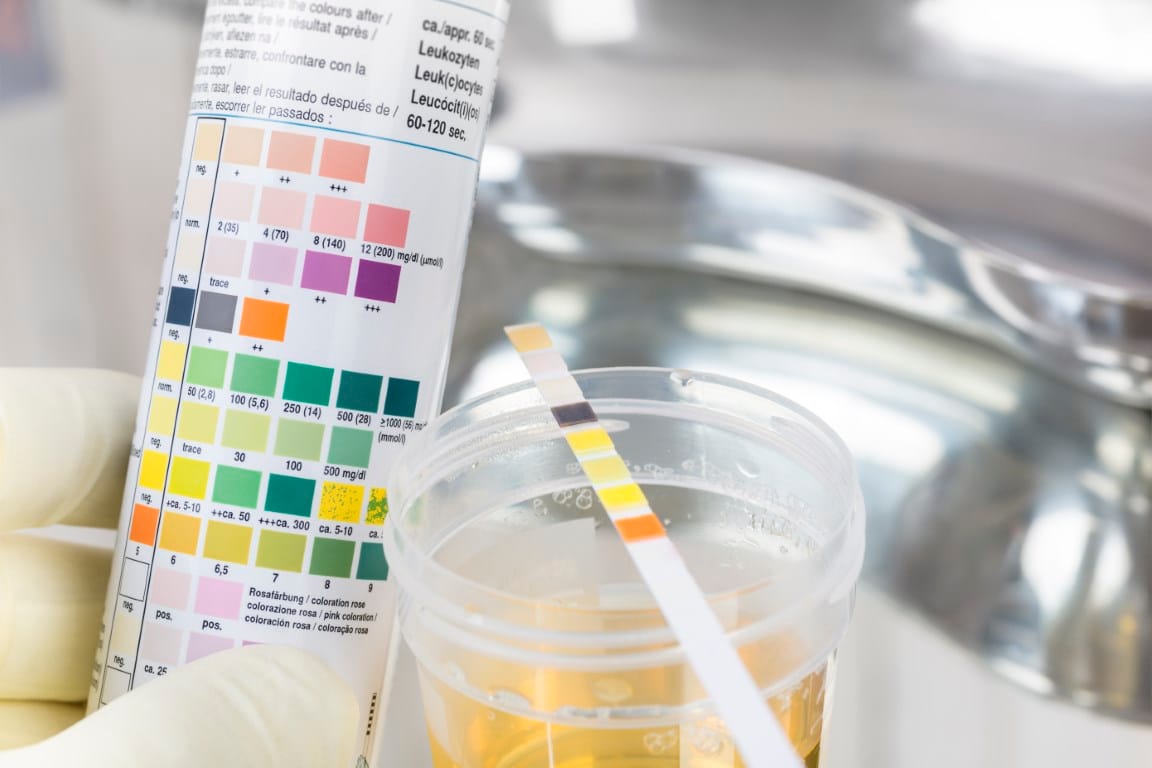
- A color change on the testing medium indicates the presence of one or more detected substances.
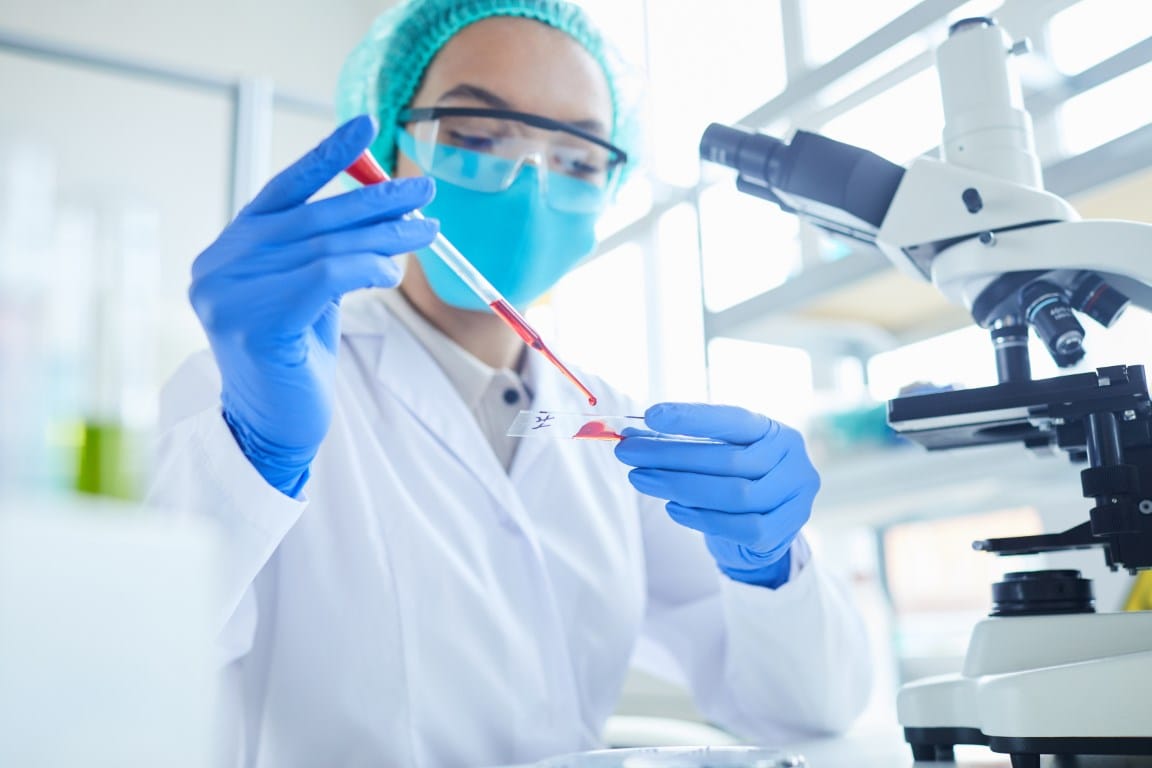
- Any presumptive positive should be sent to a certified laboratory for confirmatory analysis before action is taken.
FAQ: 5- and 10-Panel Drug Tests
How Long Do Rapid Tests Take?
Rapid POCT tests typically produce results within five minutes or less. Laboratory confirmation of a positive result typically takes 24 hours.
What Drugs Are Detected With 5-Panel Tests?
The SAMHSA-5 panel screens for:
- Marijuana/Cannabis (THC)
- Cocaine (COC)
- Opiates (OPI) — including heroin, codeine, and morphine
- Amphetamines (AMP) — including methamphetamine
- Phencyclidine (PCP)
What Drugs Are Detected With 10-Panel Tests?
The 10-panel adds to the SAMHSA-5:
- Barbiturates
- Benzodiazepines
- Propoxyphene
- Methadone
- Methaqualone (Quaaludes)
Mouth Swab vs. Urine Testing: Which Is More Accurate?
Urine testing is generally preferred for detecting overall substance use, with greater than 99% accuracy for properly administered tests. Mouth swab testing offers up to 97.5% accuracy and is better suited for detecting recent or current impairment, as detection windows are shorter (typically 12–24 hours). Blood testing is the most accurate method but is expensive, invasive, and time-intensive — making urine the preferred standard for most workplace and clinical programs.
How Are Results Reported?
- Negative: No drug detected at or above the cutoff concentration, or a positive with a verified valid prescription.
- Positive: Drug detected at or above cutoff concentration without a matching prescription.
- Inconclusive: Sample is diluted, substituted, or has abnormal pH — typically requires retest.
How Far Back Can Tests Detect Drug Use?
Detection windows vary by substance, sample type, dosage, duration of use, and individual metabolism. General urine detection windows:
- Amphetamines: 1–3 days
- Cocaine: 2–4 days
- Marijuana: 2–5 days (occasional use); up to 10+ days (daily use)
- Opiates: 2–3 days
- Phencyclidine (PCP): Up to 30 days (chronic use)
- Barbiturates: 2 days to 3 weeks (depends on short- vs. long-acting)
- Benzodiazepines: Up to 6 weeks (chronic use)
- Propoxyphene: Up to 2 days
- Methadone: ~3 days
- Methaqualone: ~2 weeks
Can Tests Produce False Positives?
Yes — urine tests are highly reliable but certain medications and foods can trigger false positives. Administrators should ask subjects about current prescription medications before testing. Common false positive triggers:
- Dextromethorphan (Robitussin, cough suppressants): False positive for PCP
- Diphenhydramine (Benadryl, antihistamines): False positive for PCP
- NSAIDs (ibuprofen, naproxen): False positive for barbiturates or THC
- Pseudoephedrine (Sudafed, decongestants): False positive for methamphetamine
- Phentermine (Adipex-P): False positive for amphetamine
- Certain antidepressants (trazodone, sertraline, bupropion): False positive for amphetamine, methamphetamine, benzodiazepines, or THC
- Quetiapine (Seroquel): False positive for methadone
- Pantoprazole (Protonix): False positive for THC
- Quinolone antibiotics (levofloxacin, ofloxacin): False positive for opioids, amphetamine, or methamphetamine
- Promethazine: False positive for amphetamine or methamphetamine
- Tramadol: False positive for methadone or PCP
- Doxycycline: False positive for methadone
Foods including poppy seeds, hemp seeds, coca tea, and tonic water can also trigger false positives in some cases. Any positive POCT result should be confirmed by a certified laboratory before any adverse action is taken.
Benefits of Mouth Swab Drug Tests
Mouth swab (oral fluid) tests offer several practical advantages: cost-effective, quick to administer, non-invasive, and more difficult for subjects to tamper with than urine tests. They are particularly well-suited for detecting recent drug use and for on-site, observed collection.
Should Subjects Self-Administer?
No. Subjects should never administer or perform their own drug tests. Doing so negates the validity and chain-of-custody integrity of the result. Tests must be administered by trained personnel in a controlled environment.
How Often Should Testing Be Performed?
Frequency depends on program type and purpose. Pre-employment programs typically require a single test. Random employee testing programs are typically administered quarterly on randomly selected dates with randomly selected employees to maintain deterrence and program integrity.
Is Drug Testing Covered by Insurance?
Employer-administered and at-home drug testing kits are generally not covered by health insurance. Coverage for clinical drug testing ordered as part of medical care varies by plan. Providers and administrators should verify coverage with the relevant insurer.
Who Uses Drug Testing Kits?
Primary users include employers in regulated and safety-sensitive industries: law enforcement, government, transportation, aerospace, education, defense, information technology, and construction. Healthcare facilities and clinical programs also use drug testing as part of patient care and compliance monitoring.
Sourcing Drug Testing Supplies
Quality matters when results can have significant consequences for individuals and organizations. Drug testing kits should be sourced from reputable suppliers with documented manufacturing standards, proper regulatory certifications, and consistent quality assurance.
National Medical Resources, Inc. is a distributor of drug testing supplies — including 5-panel, 10-panel, and multi-panel kits — to healthcare providers, clinics, and workplace testing programs. Our products test for 1 to 14 substances of abuse and deliver accurate results within five minutes.
To learn more or to establish a drug screening program for your facility, contact National Medical Resources, Inc. at nmrmeds.com/contact-us/ or call (205) 421-9702.
Summary
Rapid and reliable drug screening devices allow employers and healthcare providers to make informed, timely decisions about substance use. Whether your program requires 5-panel SAMHSA-standard screening, broader 10-panel coverage including prescription drug misuse, or urine vs. oral fluid testing, NMR Meds supplies the testing kits and program support to help you implement an effective, compliant drug screening program.
MEDICAL & LEGAL DISCLAIMER
The information contained in this article is intended for licensed healthcare providers, qualified medical professionals, and workplace administrators responsible for drug testing programs. It is provided for general informational and educational purposes and does not constitute medical advice, clinical guidance, or legal counsel.
Nothing in this article should be construed as a recommendation to diagnose, treat, cure, or prevent any disease or medical condition, nor as guidance on prescribing or administering any pharmaceutical compound to any specific patient. All clinical decisions should be made by a licensed healthcare provider.
COMPOUNDED MEDICATION DISCLOSURE: Compounded medications, including compounded semaglutide and tirzepatide, are not FDA-approved drugs and have not been evaluated by the U.S. Food and Drug Administration for safety, effectiveness, or quality. Compounded drugs are not generic versions of, and are not the same as or equivalent to, FDA-approved products such as Wegovy®, Ozempic®, Zepbound®, or Mounjaro®. Compounded semaglutide and tirzepatide may only be dispensed pursuant to a valid, patient-specific prescription issued by a licensed prescriber.
The regulatory landscape governing compounded medications is subject to change. Readers are strongly encouraged to consult with a qualified healthcare regulatory attorney and to monitor updates from the U.S. Food and Drug Administration (FDA) and applicable state pharmacy boards.
National Medical Resources, Inc. (NMR Meds) is a distributor of medical and wellness products to licensed healthcare providers and workplace testing programs. NMR Meds does not provide medical advice, clinical consultation, or legal guidance.
© 2026 National Medical Resources, Inc. All rights reserved. This content is intended for licensed healthcare professionals and authorized workplace testing administrators and may not be reproduced or redistributed without written permission.